PROUDLY SERVING TULSA, OKC, AND EVERY RURAL COUNTY

Mold Removal Services

Professional Mold Removal & Remediation

Our trained crew uses advanced tools and proven methods to help ensure your property stays clean, safe, and mold-free. You can breathe easier knowing it’s handled right.

Professional Mold Removal Services in Oklahoma

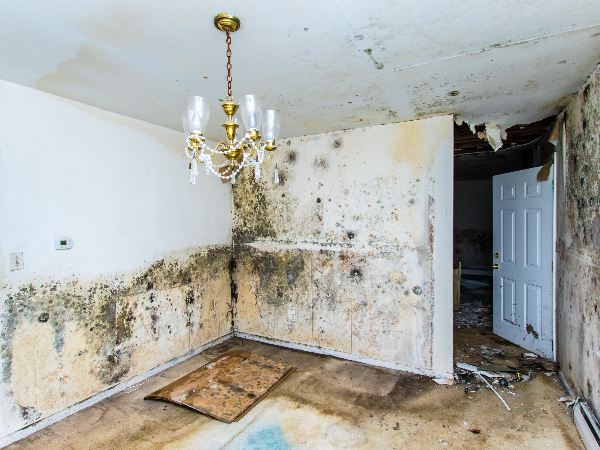
Mold can create serious health concerns and compromise the integrity of your home or building—often spreading out of sight behind walls or under floors. At Oklahoma Damage Recovery, we handle full-scope mold remediation that not only clears existing growth but also addresses the conditions that allow it to come back. Our team uses professional-grade equipment and time-tested methods to restore a clean, safe environment you can feel confident in.

Mold Related Health Risks

Mold exposure can quietly take a toll on your health, often without any clear warning signs. Understanding the potential risks is key to maintaining a safe space, whether at home or on the job. Below shows some of the more common health concerns linked to mold and explain why fast, effective remediation matters.

Respiratory Issues

Mold spores can aggravate breathing issues like asthma, bronchial irritation, and other lung-related problems—particularly for those with underlying health conditions.

Allergic Reactions

Being around mold can lead to allergic responses such as sneezing, nasal congestion, irritated eyes, or even skin flare-ups like rashes and itching.

Immune System Support

Long-term mold exposure can wear down the immune system over time, leaving people more vulnerable to illnesses and recurring infections.

Mold Removal & Remediation (2)

Our Mold Removal & Remediation Process

Initial Assessment and Inspection
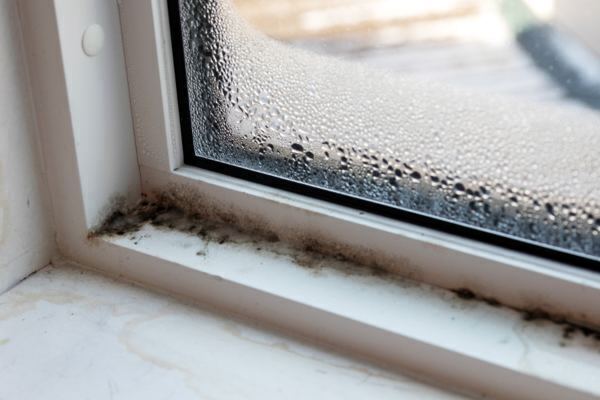
The mold remediation process always starts with a detailed inspection of the property. Our team checks out common moisture-prone areas like crawl spaces, bathrooms, attics, and basements to locate both visible mold and spots where it might be hiding. Using specialized moisture detection equipment, we also identify damp zones that could support future growth. This initial step gives us a clear picture of how widespread the issue really is.
Mold Inspection
Initial Assessment and Inspection
Containment and Isolation
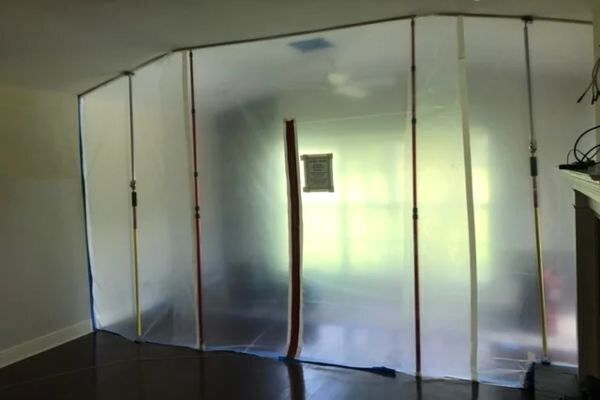
Mold has a way of spreading fast, which is why it’s critical to contain the affected space before starting cleanup. Our team sets up physical barriers—like heavy-duty plastic sheeting—and uses negative air machines to keep contaminated air from drifting into other parts of the home or building. This setup helps keep the issue isolated so the rest of your property stays protected during the remediation process.
Mold Containment
Containment and Isolation
Mold Removal and Cleanup
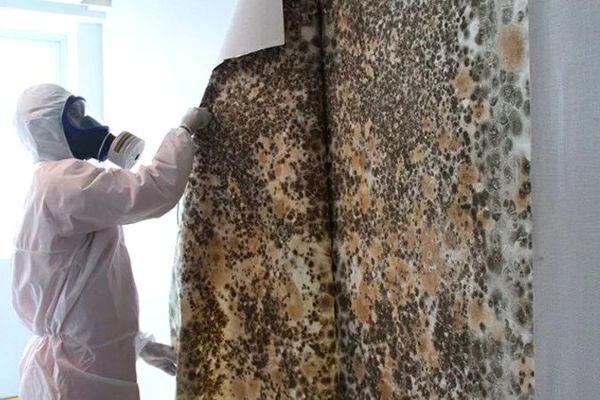
Once the containment setup is secured, our crew moves into the mold cleanup phase. We use targeted techniques to clean and treat contaminated surfaces. This includes areas like walls, ceilings, flooring, and air systems. Our team applies proven solutions, including mold-inhibiting agents, to eliminate spores and reduce the risk of them returning. Any materials that are too damaged to be restored—like soaked drywall, insulation, or carpet—are safely removed and properly disposed of.
Mold Removal
Mold Removal and Cleanup
Moisture Control and Source Elimination
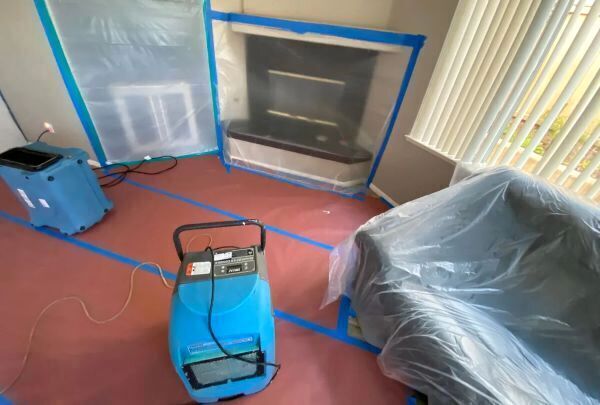
Mold tends to grow where there’s excess moisture, so tackling the root cause is key to keeping it from coming back. Our crew looks for common trouble spots—like hidden leaks, broken pipes, or areas with poor airflow, and takes steps to fix them. We also use drying equipment like dehumidifiers and air movers to bring humidity levels down and help stop future mold growth in its tracks.
containment
Moisture Control and Source Elimination
Final Inspection and Verification
Once cleanup is complete and everything is dry, we perform a final walkthrough to make sure no lingering mold or moisture is left behind. Our team may use moisture meters or air sampling tools to double-check that the space is safe and fully dried out. If needed, we can also provide a summary of the work performed, outlining the steps taken and the condition of the treated areas.
insurance
Final Inspection and Verification

Does Homeowners Insurance Cover Mold Damage?

In some cases, homeowner’s insurance may help cover mold damage—but it largely depends on the cause and what’s outlined in your policy. Generally, if the mold growth results from a sudden, unexpected event that’s already included in your coverage—like a burst pipe, an overflowing appliance, or water used during fire suppression—it could be eligible. On the other hand, if the mold is tied to ongoing issues like persistent leaks, high indoor moisture, or lack of upkeep, it’s often seen as neglect and typically isn’t covered.

Mold Removal Services (4)

Mold Related FAQs

Mold shows up in a lot of homes and commercial spaces, but there’s still a lot of confusion around it. Understanding what causes mold, the health and property risks it can bring, and how to properly handle it is essential if you want to keep your space safe. Below, we go over some of the most common questions folks have about mold so you can take the right steps to prevent it. Or deal with it if it’s already there.

Mold thrives in damp, humid environments and is commonly found in areas with excess moisture, such as bathrooms, basements, kitchens, or places with a history of leaks or flooding.

Mold tends to grow fast in areas that stay damp or have high humidity. You’ll often see it in places like bathrooms, basements, kitchens, or anywhere that’s dealt with leaks or water issues in the past.

Not all mold is toxic, but any mold can affect your health—triggering allergies or respiratory issues. Black mold, in particular, is known to produce toxins that become a serious concern with prolonged exposure.

The best way to prevent mold is by staying on top of moisture issues. Fix any leaks as soon as you notice them, make sure your home has good airflow, and use dehumidifiers in areas that tend to stay damp. Keeping things clean and dry goes a long way. Regular checks in trouble spots—like basements, bathrooms, and around plumbing, can help you catch mold early before it spreads.

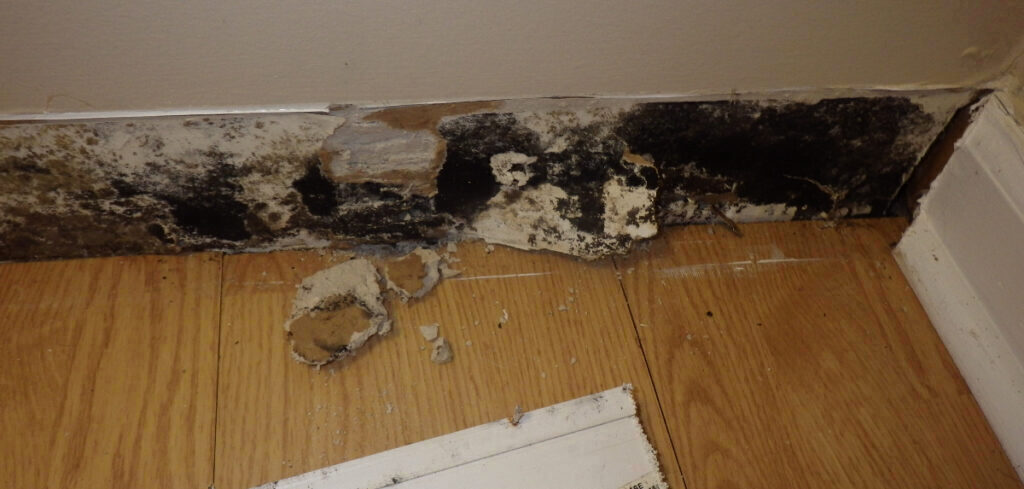
The key to preventing mold from spreading is quick action and moisture control. As soon as you spot signs of mold, isolate the area if possible. Shut doors, avoid using fans, and limit foot traffic. Dry out any damp spots right away, fix leaks fast, and keep humidity levels low with ventilation or dehumidifiers. The sooner you address the source, the easier it is to stop mold in its tracks.

Still have questions?

Reach out to the team at Oklahoma Damage Recovery for fast, reliable service and expert support. We're here to guide you through every step of the cleanup and restoration process. Don’t wait, give us a call today!

Schedule Your Emergency Response Plan

Disasters don’t wait—you shouldn’t either. Put a restoration plan in place with Oklahoma Damage Recovery and rest easy knowing you’re prepared for whatever comes your way. When the unexpected happens, you can count on our team to help protect your home or business.